
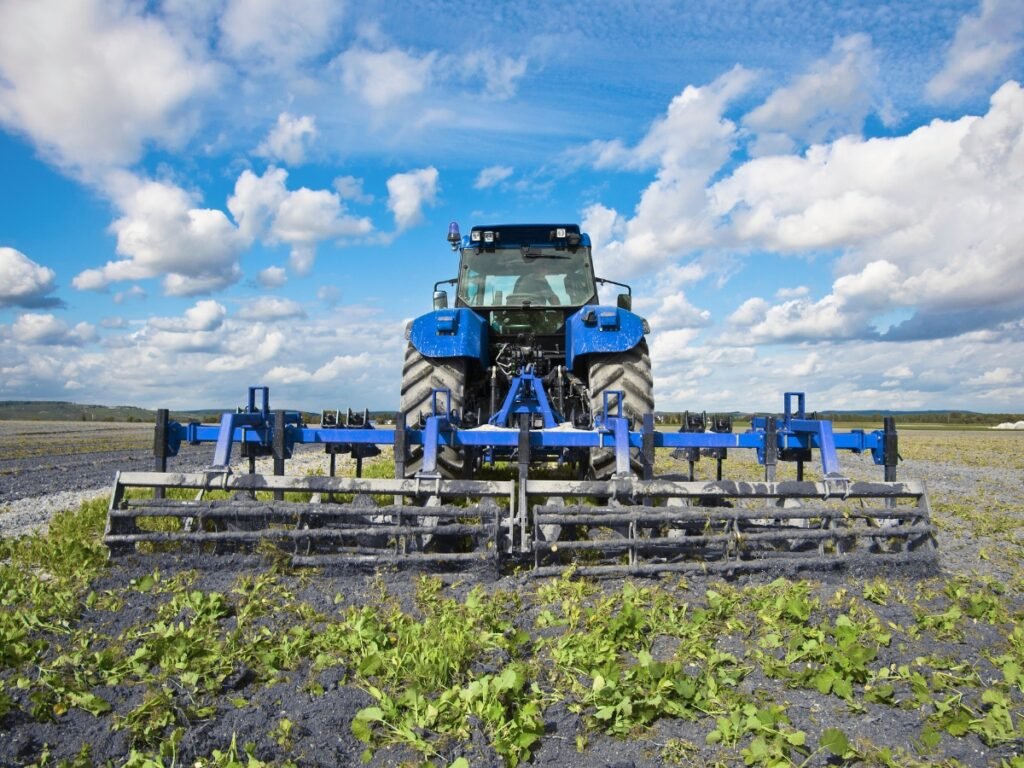
Timing, efficiency, and availability of dependable equipment are critical factors in agricultural output. Machinery is crucial to the efficient functioning of everyday activities, from preparing fields for planting to harvesting crops and maintaining rural assets. Reliable agricultural equipment is more crucial than ever for farmers and ranchers because of their hectic schedules, unpredictable weather, and shifting workloads.
Selecting the appropriate machinery involves more than just buying strong gear. It entails choosing equipment that can do various agricultural jobs, assessing long-term expenditures, and comprehending operating requirements. Tractors, harvesting equipment, and Torgersons forestry equipment are examples of equipment solutions that may assist agricultural firms in managing heavy workloads and increasing overall productivity.
The Value OfDependable Farm Equipment
There are several tasks involved in modern agricultural operations that need for specialized equipment. Farmers may do crucial jobs more precisely and effectively with the aid of tractors, loaders, combines, balers, and other agricultural equipment. Even simple tasks may become time-consuming and physically taxing in the absence of dependable equipment.
During the planting and harvesting seasons, equipment dependability becomes more crucial. There are often few chances to do important tasks during these times. Unexpected mechanical failures may impact crop quality, cause delays in operations, and raise labor costs.
Agricultural companies may minimize operational disruptions and sustain steady output by investing in reliable gear. Farmers who place a high priority on equipment quality and routine maintenance are often better equipped to handle unforeseen difficulties and seasonal demands.
Choosing Equipment ForAgricultural Requirements
Depending on the size of the land, the kind of crop, the terrain, and the workload, each agricultural enterprise has unique needs. While a big commercial operation could rely on specialized planting equipment and high-capacity harvesting machines, a small family farm would need adaptable tractors and accessories.
Farmers should assess the chores they undertake most often before investing in equipment. Important factors to take into account include equipment size, horsepower, fuel economy, mobility, and compatibility with current attachments.
Specialized solutions, like Torgersons forestry equipment, may be pertinent for tasks requiring forested areas, vegetation control, or land removal. Selecting equipment that is appropriate for a given workplace may increase output while lowering needless equipment strain.
Businesses may also avoid overspending on machinery by choosing equipment based on real operating requirements.
Agricultural Operations Are Changing Due ToTechnology
The capabilities of contemporary agricultural equipment have changed dramatically due to technological breakthroughs. GPS guidance, precise planting systems, automated controls, and digital monitoring technologies are all included into many of the more recent machines.
These developments improve operational precision and enable farmers to handle resources more efficiently. Reducing overlapping field passes, optimizing fertilizer inputs, and supporting improved crop management choices are all made possible by precision agricultural technology.
Digital equipment monitoring systems can provide useful data on fuel usage, machine performance, and maintenance needs. Operators may see possible problems before they become costly mechanical difficulties by having access to this information.
Improved productivity, less resource waste, and better equipment management are some advantages of modern technology, despite the initial cost.
Preventive Maintenance Maintains TheProductivity OfEquipment
Investing in high-quality agricultural equipment is only one aspect of sustaining profitable operations. For equipment to last longer and avoid unplanned malfunctions, routine maintenance is equally crucial.
Checking fluid levels, inspecting hydraulic systems, keeping an eye on tire conditions, and replacing old parts should all be part of routine inspections. Maintaining machinery’s efficiency may be ensured by adhering to the manufacturer’s suggested service schedules.
In order to monitor repairs, spot recurrent mechanical issues, and budget for future maintenance costs, farmers should also keep thorough service records.
Handling Various Agricultural Tasks
Equipment is needed on many farms and ranches for tasks other than growing crops. Additional mechanical needs may arise from property maintenance, material handling, animal management, and vegetation control.
Operators may do many activities using versatile equipment without having to purchase different machinery for each operation. For enterprises with a variety of tasks, loaders, utility tractors, and appropriate accessories are very helpful.
When assessing machinery for land management and vegetation-related tasks, Torgersons forestry equipment may be taken into consideration for agricultural properties with wooded regions. Operators can do difficult operations more efficiently when equipment capabilities are matched to property circumstances.
In Conclusion
It takes careful equipment selection, regular maintenance, and an awareness of shifting operational requirements to keep agricultural operations profitable. Reliable equipment helps farmers handle difficult seasonal schedules, minimizes needless downtime, and facilitates effective fieldwork.
Long-term success may be supported by investing in equipment that fits certain tasks, whether running a major agricultural enterprise or a small ranch. Agricultural operators may create more productive, flexible, and efficient operations by integrating contemporary technologies, preventative maintenance, and durable equipment.