Farsi Keyboard and Mouse Wireless: Bilingual Persian-English Computer Keyboard Layout
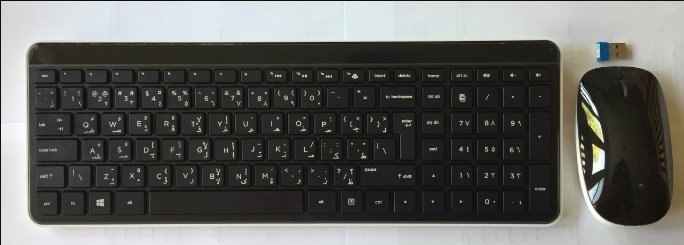
Farsi Wireless Keyboard and Mouse for Easy Typing
Typing in Farsi and English is an everyday requirement for many bilingual professionals, students, translators and families. From preparing documents and writing emails to attending online classes and communicating with relatives, having both alphabets available on one keyboard can make computer use more convenient. A wireless keyboard and mouse combination also helps keep a desk organised, providing flexibility for home offices, educational settings and professional workstations.
A Farsi Keyboard and mouse offer a practical solution for people who regularly switch between Persian and English. With both sets of characters printed on the keys, users can identify letters more easily without repeatedly checking a separate keyboard chart. Wireless connectivity reduces cable clutter, while a matching mouse supports browsing, document editing and everyday computer tasks. This combination is particularly useful for anyone seeking a convenient bilingual typing setup.
Why Choose a Bilingual Persian-English Keyboard?
Farsi, also known as Persian, uses a modified Arabic script and is written from right to left. English, by contrast, uses the Latin alphabet and follows a left-to-right direction. A bilingual keyboard displays characters from both writing systems, helping users type in either language without changing physical keyboards.
A Farsi wireless keyboard and wireless mouse can support a variety of activities, including business correspondence, translation, online learning and personal messaging. Having Persian characters printed on the keys makes them easier to identify, particularly for people who are learning to type in Farsi or regularly prepare documents containing both languages.
Explore Wireless Bilingual Persian Keyboards
Choosing Wireless Bilingual Persian English Keyboards can help users explore keyboard options suited to different computing requirements. A suitable model should offer clearly printed characters, comfortable key spacing and a connection method compatible with the computer being used. Buyers should also consider their typing habits, available desk space and preferred mouse features before making a decision.
Benefits of Wireless Connectivity
A wireless keyboard offers greater flexibility than a traditional wired model. Depending on the product, it may connect through a USB receiver or Bluetooth. A wireless optical mouse combo provides coordinated cursor control, making it easier to select text, manage files, browse websites and complete routine office tasks.
Before purchasing, check whether the keyboard and mouse share a receiver, use separate receivers or connect through Bluetooth. Battery requirements and operating-system compatibility are also important. Reviewing these details helps ensure that the equipment suits your existing computer and daily working routine.
Important Features to Consider
Not all bilingual keyboards provide the same layout, connectivity or typing experience. Reviewing the specifications before buying can help you select a model that meets your practical requirements.
Features for Everyday Typing
Look for the following features when comparing wireless Farsi keyboard options:
- Dual-language key markings: Clearly printed Persian and English characters make it easier to identify letters without consulting a separate layout guide.
- Comfortable key spacing: Well-spaced keys can support accurate typing during longer work sessions.
- Reliable wireless connection: Check whether the device uses Bluetooth or a USB receiver and confirm compatibility with your computer.
- Matching optical mouse: A compatible mouse provides convenient cursor control for browsing, selecting text and managing documents.
- Practical battery arrangements: Review the power requirements and the manufacturer’s guidance on battery life.
- Suitable keyboard layout: Confirm that the printed Persian arrangement matches the layout you intend to select in your operating system.
Setting Up a Wireless Farsi Persian Keyboard
Correct setup is essential for accurate bilingual typing. For a wireless USB model, insert the receiver into a compatible port, install batteries if required and switch on the keyboard and mouse. Follow the manufacturer’s instructions for pairing or completing any additional setup steps.
Next, open your computer’s language settings and add Persian as an input language. Select the appropriate keyboard layout and learn the shortcut for switching between Persian and English. Remember that printed characters do not automatically change the active input language. Correct software settings ensure that pressing a key produces the expected character.
Tips for Better Persian-English Typing
Use these practical steps to improve your everyday typing experience:
- Enable Persian input: Add Persian through your operating system’s language settings before beginning to type.
- Practise common phrases: Regularly type familiar Farsi words and sentences to become more confident with character positions.
- Check the active language: Confirm whether Persian or English is selected before entering text into emails, documents or forms.
- Adjust text direction: Use right-to-left formatting for Persian paragraphs and left-to-right formatting for English passages where appropriate.
- Keep the keys clean: Follow the manufacturer’s cleaning instructions to maintain the legibility of printed characters.
- Test both languages: Type sample sentences in Persian and English after setup to confirm that the selected layout works correctly.
Are Farsi Keyboards and Stickers Alternatives?
Farsi Keyboards & Stickers can be useful for people who already own a keyboard but need Persian character labels. Stickers provide a way to add visible Persian letters to compatible keys, although their durability and readability depend on the material, print quality and frequency of use.
A dedicated bilingual keyboard may be more convenient for frequent typists because its characters are printed directly on the keys. However, stickers can be a practical alternative for occasional use or for people who prefer to keep their existing equipment. Consider your budget, typing frequency and preferred appearance before choosing between these options.
Who Benefits from Bilingual Keyboards?
Bilingual Persian-English keyboards are useful for students, translators, teachers, administrative professionals and multilingual households. Students can prepare assignments in Farsi, translators can switch between languages, and businesses can communicate more conveniently with Persian-speaking customers.
At home, these keyboards support messaging, online education and multilingual browsing. People learning Persian may also find printed characters helpful for practising letter recognition. Choosing a comfortable model with suitable connectivity can make everyday computer tasks more straightforward.
Make Persian Typing Easier
A Farsi wireless keyboard and mouse combination provides a convenient way to type in Persian and English from one workstation. Clearly marked characters support letter recognition, while wireless connectivity helps keep desks organised. Before purchasing, check the printed layout, computer compatibility, connection method and battery requirements. Configure Persian input correctly and practise switching between languages to improve accuracy. For students, professionals and families, a suitable bilingual keyboard can make everyday communication more comfortable, convenient and efficient.