Cotton Bag Weights and Handle Styles Explained for Event Merchandise
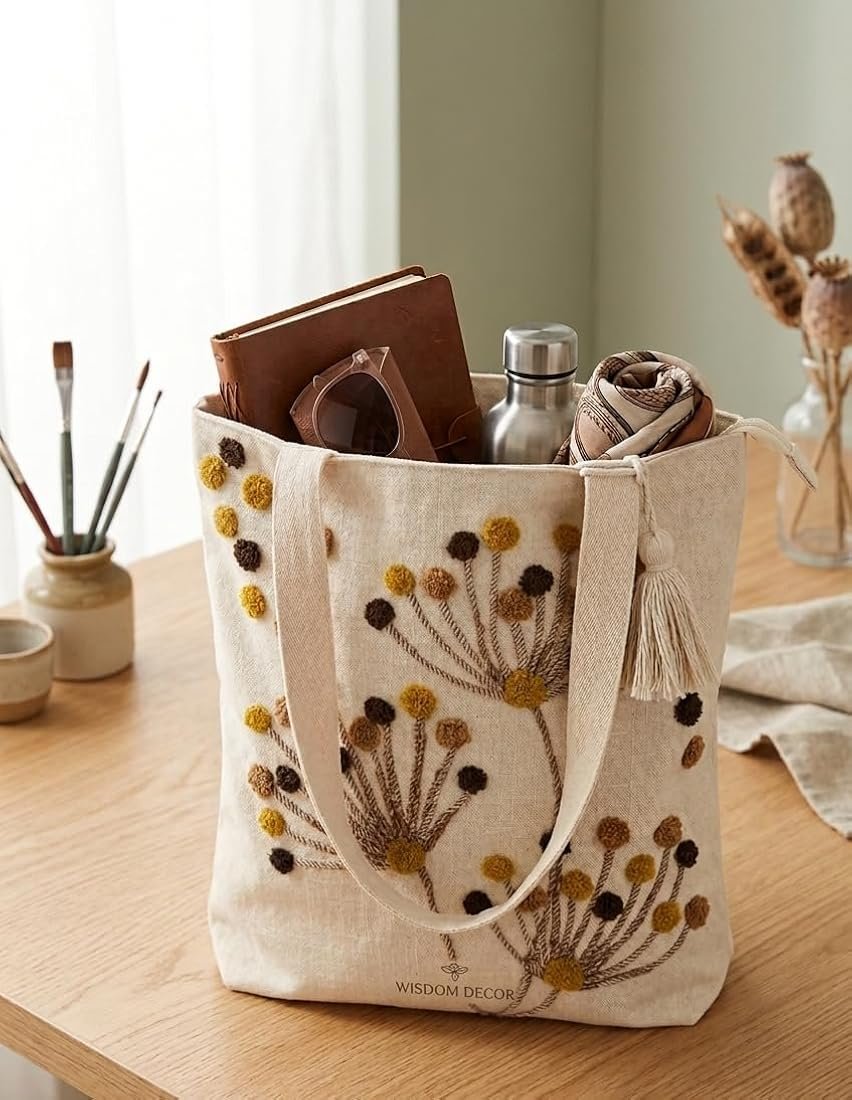
Cotton bags are widely used for conferences, exhibitions, launches and other events because they can carry literature, samples and small merchandise while remaining easy to store and distribute. However, fabric weight, bag shape and handle length all affect how suitable a bag is for a particular purpose.
When choosing printed tote bags for event merchandise, it helps to look beyond the artwork and consider how the bag will actually be used. A lightweight bag may suit leaflets and small giveaways, while a heavier fabric can feel more substantial for bulkier contents. Handle style also changes how comfortably attendees can carry the bag.
What Cotton Bag Weight Means
Cotton bag weight usually refers to the weight or thickness of the fabric rather than the total weight of the finished bag. Suppliers may describe fabric in ounces or grams per square metre. In general, a higher fabric weight means a thicker, firmer material.
The heaviest option is not automatically the most suitable. Event merchandise has to balance appearance, practicality, storage, transport and expected contents. Lighter cotton folds down easily and is convenient when large quantities must be stored. Heavier cotton tends to feel more structured but can occupy more space.
Fabric weight should therefore be judged against the intended use rather than treated as a quality score.
Lightweight Cotton Bags for Simple Giveaways
Lightweight cotton can work well when the bag will mainly hold brochures, notebooks, badges, flyers or other relatively light items. Its flexible construction makes it easy to fold, stack and hand out at busy stands or registration desks.
This type of bag may also suit events where the bag is one part of a wider giveaway rather than the main merchandise item. The important point is to match the fabric to the expected load. A bag intended for printed literature does not need the same structure as one carrying boxed products or heavier samples.
Artwork matters too. Cotton is woven, so very small details can reproduce differently than they would on paper. Clear logos, readable lettering and properly prepared artwork are usually easier to reproduce effectively.
When Heavier Cotton Makes Sense
A heavier cotton fabric may be appropriate when the bag is intended to feel more substantial or function as merchandise in its own right. Thicker material generally gives the bag greater body, which may suit welcome packs, retail-style merchandise or contents that need more structure.
Even so, fabric weight does not tell you everything about performance. Stitching, handle attachment, bag dimensions and overall construction also affect how the product behaves when filled. A larger or thicker bag should not be assumed to carry any load without checking its specification.
If the choice is uncertain, asking for a sample can be useful. Handling the bag makes it easier to judge thickness, flexibility, finish and comfort before placing a larger order.
Choosing Between Short and Long Handles
Short handles are mainly suited to carrying by hand or over the forearm. They can work well for compact gift bags, lighter merchandise or events where visitors are unlikely to carry the bag for long periods.
Long handles are designed for shoulder carrying. At exhibitions, conferences and public events, this can be convenient because attendees may already be holding phones, drinks, paperwork or other items.
For printed tote bags used as event merchandise, handle length should be treated as part of the user experience rather than a small design detail. A bag that is comfortable to carry is more likely to remain practical throughout the event.
Bag Shape and Gussets Also Affect Use
A flat tote has a simple profile and is well suited to documents, lightweight merchandise and flat promotional material. A gusseted bag includes extra fabric at the side or base, creating more internal depth for wider items.
Extra capacity does not necessarily mean greater load-bearing strength, so shape and construction should be considered together. It is also worth checking the available print area, because artwork may appear differently when a bag is flat compared with when it is filled.
Practical Factors to Check Before Ordering
A clear event brief makes it easier to select the right combination of material, shape and handles. Before confirming an order, consider:
- what the bag will contain;
- whether visitors will carry it by hand or over the shoulder;
- how long it may be carried around the venue;
- whether a flat or gusseted shape is more suitable;
- how much storage space is available;
- whether the artwork suits the fabric colour and texture;
- whether a sample or print proof can be checked;
- whether the proposed printing method suits the artwork.
These checks can prevent a bag from looking suitable during ordering but feeling impractical once packed and used.
Matching Printing to Fabric and Artwork
Different printing methods suit different artwork. Screen printing is commonly used for bold shapes, logos and limited-colour designs, while transfer-based methods can be useful for more detailed or full-colour artwork.
Fabric colour also matters. Natural, white and darker cotton bases can affect how printed colours appear. Fine lines, small lettering and subtle shades deserve particular attention because cotton has a visible weave rather than a perfectly smooth surface.
Professional advice can be useful when artwork contains several colours, detailed illustration or strict brand requirements. Instead of choosing a process by name alone, provide the artwork and ask which method best suits the fabric and intended finish.
Wrapping Up
Choosing cotton event merchandise starts with understanding what the bag needs to do. Fabric weight influences feel, flexibility and structure, while handle length affects carrying comfort. Shape, gussets, artwork and expected contents should be considered together rather than as separate decisions.
Before ordering printed tote bags, define the likely contents, preferred carrying style and required finish, then compare suitable specifications and seek professional advice where necessary. Matching the fabric weight and handle style to the event will help produce a bag that is practical, appropriate and comfortable to use.