Key Factors to Consider Before Investing in a New HVAC System
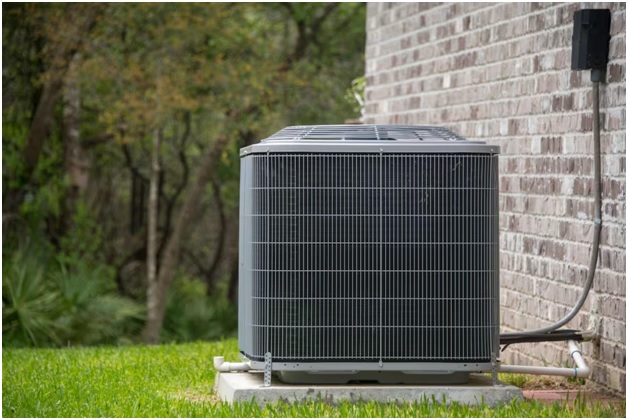
Investing in a new HVAC system is a major decision that can affect your home’s comfort, energy efficiency, and long-term maintenance costs. While it may be tempting to focus on the price tag alone, choosing the right system involves much more than selecting the first model that fits your budget. Every home has unique heating and cooling needs, and understanding the factors that influence HVAC performance can help you make a smarter investment.
If you’re exploring HVAC installation Millington, TN, taking time to learn what matters before purchasing a new system can help you avoid costly mistakes. From selecting the right size to understanding energy efficiency and installation quality, a well-informed decision can provide dependable comfort for years to come.
Evaluate Your Home’s Heating and Cooling Needs
Before comparing HVAC systems, it’s important to understand what your home actually requires. A system that works well in one house may not be the right choice for another.
Several factors influence your home’s heating and cooling demands, including square footage, ceiling height, insulation levels, window placement, sun exposure, and the overall layout of the house. Homes with poor insulation or large windows may require different solutions than newer, energy-efficient homes.
A professional evaluation helps determine the most appropriate system for your specific living space rather than relying on estimates alone.
One of the biggest mistakes homeowners make is selecting equipment that’s either too large or too small. An oversized system may cool or heat your home too quickly, causing frequent on-and-off cycling that reduces efficiency and can leave humidity levels unbalanced. Meanwhile, an undersized system may struggle to maintain comfortable temperatures during periods of extreme weather because it has to work continuously.
Proper system sizing is typically determined through a detailed load calculation rather than simply matching the size of your old equipment.
Understand Energy Efficiency Ratings
Energy efficiency plays a significant role in both comfort and long-term operating costs. Modern HVAC systems are generally designed to use less energy than older models while delivering consistent performance.
When comparing systems, you’ll likely encounter ratings such as SEER2 for air conditioners and heat pumps or AFUE for furnaces. Although higher-efficiency models often cost more initially, they may help reduce energy consumption over time.
Instead of focusing only on purchase price, consider the overall value a more efficient system may provide throughout its lifespan.
Don’t Overlook Your Existing Ductwork
Installing new HVAC equipment won’t automatically solve comfort problems if the duct system is damaged or leaking. Ductwork delivers conditioned air throughout your home, so its condition directly affects how efficiently your HVAC system operates. Leaks, poor insulation, or blocked sections can reduce airflow and make even a new system work harder than necessary. Having the ductwork inspected before installation helps ensure the new equipment performs as intended.
Consider Features That Fit Your Lifestyle
Today’s HVAC systems offer a wide range of features that can improve comfort and convenience. While every home doesn’t need every available upgrade, understanding your options can help you choose equipment that matches your lifestyle.
Some popular features include:
● Smart thermostat compatibility
● Variable-speed motors for consistent airflow
● Zoned heating and cooling
● Enhanced humidity control
● Improved indoor air filtration
● Quiet operation
Choosing features based on your household’s needs can improve daily comfort while avoiding unnecessary expenses.
Think Beyond the Purchase Price
The least expensive HVAC system isn’t always the most economical choice in the long run.
When evaluating your investment, consider:
● Expected energy efficiency
● Estimated maintenance requirements
● Warranty coverage
● Availability of replacement parts
● Expected operating costs
● Long-term reliability
Looking at the total cost of ownership rather than only the installation price provides a more complete picture of your investment.
Professional Installation Makes a Difference
Even the highest-quality HVAC system depends on proper installation. Incorrect installation can reduce efficiency, affect airflow, and potentially shorten the equipment’s lifespan. Qualified HVAC professionals perform important tasks such as verifying system sizing, checking airflow, connecting electrical components correctly, and ensuring the system meets manufacturer specifications. Proper installation helps your equipment operate safely and efficiently from day one.
Every HVAC system requires routine maintenance to continue performing efficiently. Before investing in new equipment, it’s helpful to understand the maintenance responsibilities that come with ownership.
Regular filter changes, seasonal inspections, cleaning components, and addressing small issues promptly all contribute to long-term performance. Preventive maintenance also helps identify potential concerns before they become expensive repairs. Choosing a system that’s easy to maintain can make ongoing care more convenient over the years.
Ask Questions Before Making Your Final Decision
Purchasing a new HVAC system is easier when you have the information needed to compare your options confidently.
Before moving forward, consider asking your HVAC contractor:
● Is this system properly sized for my home?
● What efficiency rating does it offer?
● Will my existing ductwork need improvements?
● What warranty is included?
● What routine maintenance will the system require?
● Are there optional features that would benefit my home?
Clear answers to these questions can help you make an informed decision that supports both comfort and long-term value.
Investing in a new HVAC system is about more than replacing old equipment—it’s about choosing a solution that delivers dependable comfort, energy efficiency, and lasting performance. Taking time to evaluate your home’s needs, understand system sizing, compare efficiency ratings, inspect existing ductwork, and prioritize professional installation can help ensure your investment pays off for years to come.
A carefully selected HVAC system, combined with proper installation and regular maintenance, can improve indoor comfort in every season while supporting reliable performance over the long term. By focusing on the factors that matter most, homeowners can feel confident they’re making a smart investment for both their home and their future.