
Mobile Security Guards vs CCTV: Which Offers Better Protection for Commercial Properties?
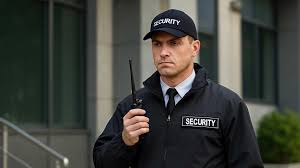
For many business owners in the United Kingdom, safeguarding a commercial premises is a balancing act between cost-efficiency and absolute security. Whether you are managing a sprawling industrial estate in the Midlands or a high-end retail outlet in central London, the threat of vandalism, theft, and unauthorised entry is a constant concern. As technology evolves, the debate over the most effective method of protection has intensified. Should a business invest in the unwavering, digital eye of a CCTV system, or is the physical presence of a mobile patrol more effective? Each solution offers distinct advantages, and understanding the nuances of both is vital for ensuring your assets remain protected around the clock.
In the current landscape of commercial safety, many security companies argue that there is no one-size-fits-all solution. The choice often depends on the specific layout of the property, the value of the goods stored within, and the local crime rate. While a camera can record an incident with forensic detail, it cannot physically intervene to stop a crime in progress. Conversely, a guard provides a proactive deterrent but cannot be in all places at once. Selecting the right strategy requires a deep dive into how these two systems function in real-world scenarios and how they can be integrated to create a comprehensive safety net for your enterprise.
The Case for Mobile Security Guards
Mobile security guards represent the “human element” of protection, offering a level of adaptability that technology simply cannot replicate. Unlike a static guard who remains at a single post, mobile patrols move between various locations, checking entry points, windows, and perimeter fences at irregular intervals. This unpredictability is one of their greatest strengths; if a criminal is scouting a location, they cannot easily time the patrols, making the property a much less attractive target.
When engaging with professional security companies, you will find that the primary benefit of a mobile guard is their ability to respond to dynamic situations. If a fire breaks out, a pipe bursts, or an intruder is spotted, a human guard can take immediate, decisive action. They can call emergency services, guide them to the exact location on a large site, and provide first-hand accounts that are invaluable for police investigations. This real-time problem-solving is something a camera system can only document, rather than resolve.
Proactive Deterrence and Rapid Response
The physical presence of a uniformed guard is a powerful psychological deterrent. Most opportunistic criminals will bypass a building if they see a patrol vehicle or a guard conducting a walk-through. Furthermore, mobile guards provide:
- Internal Inspections: They can check that internal fire doors are closed and that sensitive equipment is powered down, reducing operational risks beyond mere theft.
- Vulnerability Assessments: A guard can notice a loose fence panel or a malfunctioning lock that a camera might miss, allowing for preemptive repairs.
- Conflict Resolution: In retail or public-facing commercial hubs, guards can de-escalate verbal confrontations before they turn into physical altercations.
The Power of 24/7 CCTV Surveillance
On the other side of the debate is Closed-Circuit Television (CCTV). Modern surveillance technology has moved far beyond the grainy, black-and-white footage of the past. Today’s systems offer ultra-high-definition 4K resolution, thermal imaging, and artificial intelligence capable of facial recognition or number plate detection. For a commercial property, CCTV acts as an omnipresent witness that never tires, never takes a break, and can monitor dozens of areas simultaneously from a single control room.
The primary advantage of CCTV is its consistency. A well-designed system leaves no “blind spots,” ensuring that every square metre of your property is under watch. This is particularly useful for large-scale warehouses where a human patrol might take thirty minutes to complete a full circuit. With CCTV, the entire perimeter is visible at all times. Moreover, the recorded footage serves as undeniable evidence in a court of law, which is essential for successful prosecutions and insurance claims.
Remote Monitoring and AI Integration
Modern CCTV isn’t just about recording; it is about active monitoring. Many commercial systems are now linked to remote monitoring centres where professionals watch the feeds in real-time. If the AI detects unusual movement during out-of-hours periods, it triggers an alert. This allows for a “voice-down” intervention, where an operator speaks through an on-site loudspeaker to warn intruders that the police have been called. This hybrid approach bridges the gap between passive recording and active deterrence.
Comparing Costs and Long-Term Value
When weighing these two options, cost is inevitably a major factor. CCTV generally requires a higher initial capital expenditure for the hardware, cabling, and installation. However, once the system is in place, the ongoing maintenance costs are relatively low. It is a one-time investment that provides years of service, making it a favourite for businesses looking to manage their long-term overheads.
Mobile security patrols, however, involve a recurring service fee. While this may seem more expensive over time, it offers a level of flexibility that CCTV doesn’t. You can scale the number of patrols up or down based on seasonal needs—for example, increasing security during the Christmas period when stock levels are high. Furthermore, the presence of a guard can often lead to lower insurance premiums for high-risk industries, as insurers recognise the reduced likelihood of a successful break-in.
The Synergy of a Hybrid Approach
While it is common to frame this as “Man vs Machine,” the most robust commercial security strategies usually involve a combination of both. In the security industry, this is often referred to as “Integrated Security.”
Imagine a scenario where a CCTV camera detects a breach in a perimeter fence. The remote monitoring centre immediately notifies a mobile security unit already in the area. The guard arrives within minutes to intercept the intruder, guided by the camera operator who can see exactly where the suspect is hiding. This synergy ensures that the strengths of one system compensate for the weaknesses of the other. CCTV provides the eyes, while the mobile guard provides the hands and feet.
Key Considerations for Your Business
To determine which path is right for your commercial property, consider the following points:
- Property Size: Large, open-site industrial yards often benefit more from mobile patrols, whereas compact office buildings may find CCTV more efficient.
- Asset Value: If you store high-value, small items (like electronics), the constant visual tracking of CCTV is essential to prevent internal and external “shrinkage.”
- Location: In high-crime areas, the physical presence of a guard is often necessary to deter bold criminals who are unbothered by cameras.
- Operating Hours: Does your business run 24/7, or is the property vacant at night? Vacant properties are significantly more vulnerable and often require the physical checks provided by a mobile unit.
Conclusion
In the battle between mobile security guards and CCTV, there is no definitive “better” option; there is only the “right” fit for your specific needs. CCTV offers unparalleled surveillance coverage and evidentiary support, making it a cornerstone of modern security. However, mobile guards bring a level of human intuition, physical intervention, and adaptability that technology cannot match. For the majority of UK businesses, a tiered approach that utilises the 24/7 monitoring of CCTV alongside the rapid, physical response of mobile patrols offers the highest level of protection. By combining these two methods, you create a formidable barrier that protects not only your property and stock but also the safety and confidence of your staff. To ensure your business is fully protected, consult with a professional security specialist to conduct a thorough risk assessment and design a bespoke solution that fits your budget and your peace of mind.


