
When something goes wrong with your home’s sewer line, it can feel overwhelming. Slow drains, foul odors, soggy patches in the yard, or recurring backups are more than just minor inconveniences—they’re warning signs that something deeper needs attention. For years, fixing sewer problems meant one thing: digging. Large trenches across lawns, torn-up driveways, and days of disruption were once the standard approach. Homeowners often braced themselves not only for repairs but also for the mess that came with them.
1. When Underground Trouble Surfaces: Recognising Sewer Problems Early
Sewer issues rarely appear overnight. Instead, they develop slowly beneath the ground before revealing themselves through subtle warning signs inside the home. Recognising these symptoms early can save homeowners significant time, expense, and disruption.
Many households ignore early indicators because they seem minor. However, plumbing systems operate as a connected network. When one component begins to fail, the effects often ripple through the entire system.
Common signs of sewer line problems
Homeowners should pay attention to the following red flags:
- Frequent drain clogs throughout the home
- Slow-draining sinks, bathtubs, or showers
- Unpleasant sewage odours around drains or yard areas
- Gurgling noises coming from plumbing fixtures
- Wet or unusually green patches in the yard
- Water backing up into lower-level drains
These symptoms may indicate issues such as root intrusion, pipe corrosion, collapsed sewer lines, or severe blockages.
Why sewer problems escalate quickly
Ignoring sewer issues can lead to structural damage and sanitation risks. For example:
- Sewage backups can contaminate floors and walls
- Leaks may weaken foundations
- Moist environments encourage mould growth
- Yard flooding may affect landscaping and drainage
Therefore, early diagnosis remains critical. Fortunately, modern inspection tools like sewer camera inspections allow plumbers to identify problems without excavation.
2. The Traditional Sewer Repair Method: Why Digging Used to Be the Only Option
For decades, sewer repair meant one thing: excavation.
Contractors had to dig large trenches across yards, driveways, and sidewalks to access damaged pipes. While effective, this method caused extensive disruption to homes and surrounding landscapes.
The drawbacks of conventional sewer repairs
Traditional excavation often involves several challenges:
- Destruction of landscaping, gardens, and lawns
- Damage to driveways, patios, and walkways
- Extended repair timelines
- High labour costs
- Significant property restoration expenses
Because sewer pipes run underground — often beneath buildings, trees, or paved areas — accessing them typically required digging long trenches across entire properties.
Why homeowners sought better alternatives
As urban areas expanded and landscaping became more valuable, the drawbacks of digging grew increasingly problematic.
For example, excavation may require removing:
- Concrete driveways
- Stone pathways
- Deck foundations
- Mature trees
- Irrigation systems
The total restoration cost sometimes exceeded the pipe repair itself. As a result, plumbing engineers began developing solutions that would repair pipes without excavation.
3. A Modern Breakthrough: How Trenchless Sewer Repair Works
Advancements in plumbing technology have led to one of the most significant improvements in underground infrastructure repair: trenchless sewer technology.
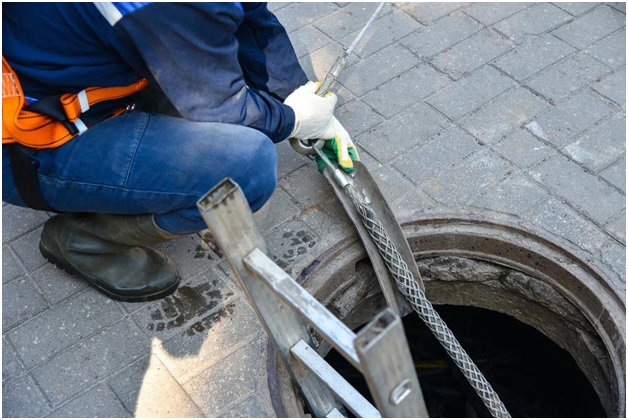
Instead of digging long trenches, technicians repair or replace pipes through small access points. This innovation dramatically reduces disruption while maintaining long-lasting results.
Today, many homeowners choose trenchless sewer repair in Reno, NV, because it offers an efficient solution that protects landscaping and property structures.
The two most common trenchless repair methods
Modern sewer professionals generally rely on two primary techniques:
1. Pipe Lining (Cured-In-Place Pipe)
This method involves inserting a flexible liner coated with epoxy resin into the damaged pipe.
The process works as follows:
- A resin-saturated liner is inserted into the pipe
- The liner expands against the interior pipe wall
- The resin hardens and creates a durable new pipe inside the old one
Once cured, the liner forms a seamless pipe that can last decades.
2. Pipe Bursting
Pipe bursting replaces severely damaged pipes entirely.
The process includes:
- A bursting head is pulled through the old pipe
- The old pipe fractures outward into the soil
- A new pipe is simultaneously installed behind the bursting head
This technique allows plumbers to replace entire sewer lines without extensive excavation.
Benefits of trenchless sewer repair
Compared with traditional methods, trenchless technology offers major advantages:
- Minimal property disruption
- Faster repair times
- Lower restoration costs
- Long-lasting pipe durability
- Environmentally friendly installation
Because of these benefits, trenchless sewer repair in Reno, NV has become a preferred option for homeowners facing underground pipe failures.
4. What Causes Sewer Lines to Fail in the First Place?
Understanding the causes of sewer damage helps homeowners prevent future problems.
Sewer lines operate underground in constantly shifting soil environments. Over time, various factors can compromise their structural integrity.
Tree root intrusion
One of the most common causes of sewer failure is tree root infiltration.
Roots naturally grow toward moisture. When they detect small cracks in sewer pipes, they enter the system and expand.
Root intrusion may lead to:
- Pipe blockages
- Pipe cracks
- Pipe collapse
- Severe clogs
Pipe corrosion and aging materials
Many older homes still rely on outdated pipe materials such as:
- Clay pipes
- Cast iron pipes
- Orangeburg pipes (compressed tar paper)
These materials deteriorate over time due to corrosion, soil pressure, and water exposure.
Ground shifting and soil pressure
Natural soil movement can stress underground pipes.
Causes include:
- Freeze-thaw cycles
- Heavy rainfall
- Earthquakes
- Soil erosion
- Construction vibrations
These forces may cause pipes to crack, misalign, or collapse entirely.
Conclusion:
Sewer issues once meant heavy excavation, torn-up landscaping, and weeks of property disruption. Today, modern technology offers far better solutions.
Trenchless sewer repair has transformed how plumbers approach underground pipe problems. By repairing pipes through small access points rather than large trenches, homeowners can resolve serious sewer issues without sacrificing their yards or driveways.
From pipe lining to pipe bursting, these modern techniques provide durable, cost-effective solutions that restore sewer systems quickly and efficiently.