TradingView Charts for Tracking Commodity Prices
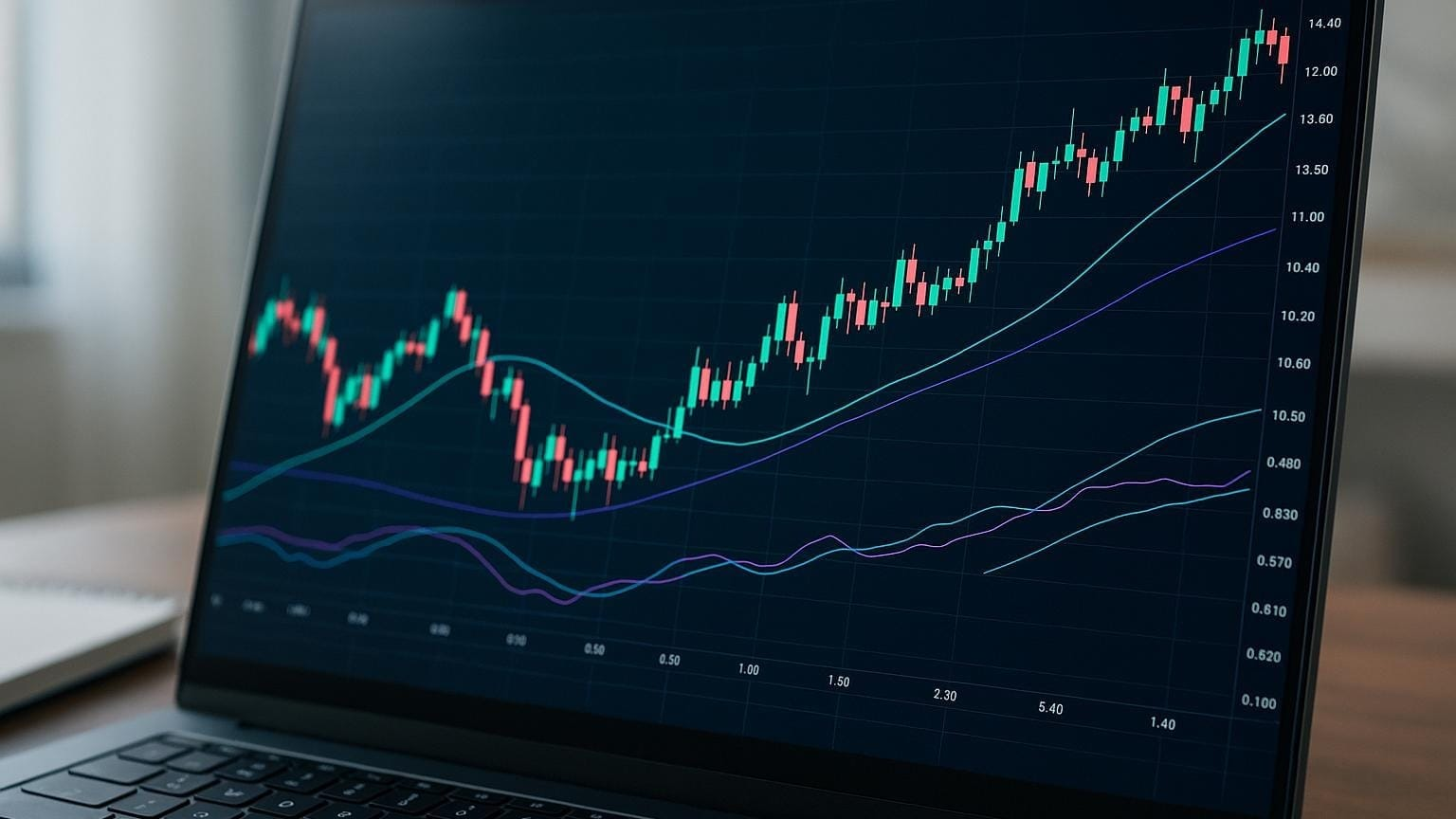
When traders and investors wish to remain in control of the commodity markets, they tend to use accurate visual tools to track the prices. The TradingView charts are a simple tool that can be used to monitor all commodities including gold, oil, and agricultural products, where the user can watch the price movement in real-time. By just overlaying the historical data, support and resistance areas and the trendlines on the chart it is easy enough for the traders to identify the potential market opportunities. This visual approach to trade helps in strategizing trades, entering and exiting at the right time, and having a disciplined risk management approach.
The price trends are vital to the knowledge of the commodity traders in question. The TradingView charts enable the user to leave trendlines and channels to isolate the overall trend that a commodity is moving. Identifying a trending, downward trending, or consolidating market provides vital guidance on what and where to trade. These visual clues used together with the candlestick charts and technical indicators can enhance the ability to predict possible price reversals or continuation patterns.
Commodity trading has major points of reference as the support and resistance levels. When prices are at historical highs and lows, traders can know where to go to seek entry or exit. The visual representation of trading levels on TradingView charts through annotation offers a transparent structure for handling trades. These zones also enable traders to know the best place to have a stop-loss and take-profits so that they are not exposed to risks beyond their risk tolerance.
The volume and momentum indicators complement price tracking as they give an idea about the strength of the market. The Relative Strength Index, or the MACD, are some of the tools that allow the trader to know whether the changes in price in the commodity are caused by actual buying or selling pressure. By superimposing these indicators on TradingView charts, traders can blend qualitative and quantitative trend analysis, enhancing the accuracy of their trading judgments and diminishing the use of guesswork.
Tracking of various periods improves the price analysis of commodities. The short-term charts show the short-range movement in the market, whereas longer-term charts give the outlook of the trends. The comparison of different timeframes with the help of TradingView charts will be necessary to make sure that the trades will be adjusted to both long-term market orientation and the short-term opportunities. This will minimize the chances of going into trades with unfavorable trends and will aid traders in making better decisions regarding position sizing.
TradingView alerts are also an added market awareness. Traders may set price alerts at critical support, resistance, or trendline levels, and no matter when they are off the screen, they will be informed to take necessary action. Such integration of automated warning with visual analysis of charts helps traders react faster to emerging market opportunities and to better risk management.
Past price information on TradingView charts also helps in refinements of strategies. Traders can see the pattern that has resulted in successful trades by perusing through the way commodities responded to similar market conditions previously. These historical moves are annotated to form a reference library when making decisions in the future, to use it to fine-tune entry points and stop-loss levels and profit targets. Such a systematized method enhances analytical competencies as well as trust in the ability to maneuver in the commodity markets.
The regular use of TradingView charts to keep track of prices of commodities would foster disciplined trading. With the assistance of trendlines, support and resistance levels, indicators, multi-timeframe analysis, and alerts, traders will be able to follow the behavior of the market, and make their decisions. Such a systematic strategy guarantees precise execution of the trades and assists the traders to capitalize on profitable prospects even in the volatile and hazardous commodity market.