A Guide to Professional Heat Pump Installation: Maximizing Efficiency and Comfort
When it comes to home heating and cooling, energy efficiency and comfort are the two most important factors to consider. One solution that offers both is a heat pump. Unlike traditional heating systems, a heat pump can both heat and cool your home, making it an incredibly versatile and cost-effective option. With the right heat pump installation in Forsyth, GA, you can significantly improve the efficiency of your home’s climate control while keeping your energy bills low. In this guide, we’ll walk you through everything you need to know about heat pump installation, ensuring that you make an informed decision for your home’s comfort needs.
What Is a Heat Pump and How Does It Work?
A heat pump is an energy-efficient system that transfers heat between your home and the outside environment. Unlike furnaces that generate heat by burning fuel or electric resistance heaters, heat pumps move existing heat. During the winter, they extract heat from the outside air and bring it indoors, while in the summer, they reverse the process, transferring heat out of your home.
Heat pumps can be air-source, ground-source, or water-source, with the most common being air-source heat pumps. These systems are ideal for moderate climates, as they can handle both heating and cooling efficiently. For homes in Forsyth, GA, where winters are mild, a professionally installed heat pump system can ensure year-round comfort with minimal energy consumption.
Why Choose Professional Heat Pump Installation?
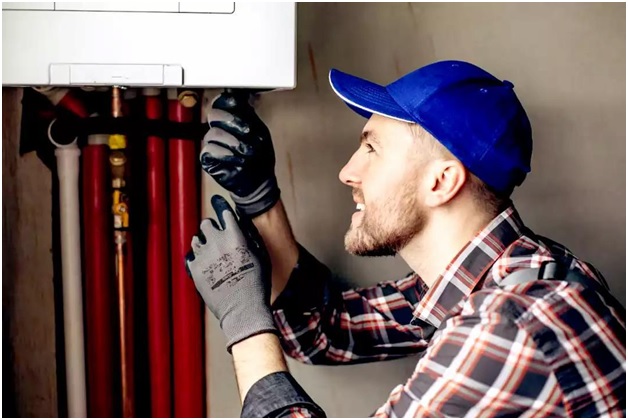
Choosing a professional for heat pump installation in Forsyth, GA, ensures that the system is set up correctly, allowing it to perform at its peak efficiency. While DIY installations may seem like a cost-saving option, improper installation can lead to long-term inefficiencies, higher energy bills, and even system failure. Professional installers bring the necessary knowledge and experience to ensure your heat pump is:
- Properly sized for your home
- Installed according to local building codes
- Commissioned to operate efficiently
Without the expertise of professional installers, your heat pump may not reach its full potential. Choosing a licensed and certified HVAC company, like Premier, guarantees a smooth installation and reliable performance.
The Benefits of a Heat Pump Installation
Heat pumps offer a variety of advantages over traditional heating and cooling systems, making them an appealing choice for homeowners looking to maximize both comfort and efficiency. Here are some of the key benefits:
- Energy Efficiency: Heat pumps use less electricity compared to traditional heating systems, making them one of the most energy-efficient options available.
- Dual Functionality: Heat pumps provide both heating and cooling in one system, making them a year-round solution for your home.
- Lower Operating Costs: Because heat pumps use less energy, your monthly utility bills will be significantly lower.
- Environmentally Friendly: Heat pumps produce fewer carbon emissions than traditional heating methods, making them a more eco-friendly choice.
- Longevity: With proper maintenance, a well-installed heat pump can last up to 15 years or more, offering long-term savings.
Choosing a heat pump ensures that you’re not just investing in comfort, but in the future of your home’s energy use and environmental impact.
What to Expect During Professional Heat Pump Installation
Heat pump installation involves several steps, each designed to ensure that your new system operates optimally. Here’s what you can expect during a professional installation:
Step 1: Site Assessment
A certified technician will assess your home’s size, insulation, and existing ductwork to determine the best heat pump size and configuration. Proper sizing is critical to ensure your system runs efficiently and doesn’t overwork itself.
Step 2: System Installation
Once the system has been selected, the technician will begin installing the heat pump. This process involves setting up both the indoor and outdoor units, connecting the refrigerant lines, and ensuring that all wiring is correctly connected to your home’s electrical system.
Step 3: Testing and Calibration
After installation, the system is thoroughly tested to ensure it’s running correctly. The technician will calibrate the unit to match your home’s specific needs, making sure the thermostat and controls are properly set.
Step 4: Post-Installation Support
Once the installation is complete, your HVAC technician will walk you through the system’s operation, provide maintenance tips, and answer any questions you might have. They’ll also schedule any necessary follow-up inspections to ensure the system continues running smoothly.
When to Consider Replacing Your Heat Pump
Over time, heat pumps can lose efficiency, especially if they are older or haven’t been well-maintained. Here are some signs it’s time to replace your heat pump:
- Your system is over 15 years old
- It requires frequent repairs
- Your energy bills have increased
- It no longer provides sufficient heating or cooling
If you’re experiencing any of these issues, it’s a good idea to consider a replacement. A new heat pump will offer improved efficiency and lower operating costs, making it a worthwhile investment for your home.
Conclusion
Investing in professional heat pump installation provides long-term comfort, energy savings, and environmental benefits. Whether you’re replacing an old system or installing a new one, choosing a reliable, experienced HVAC company is essential. A properly installed and well-maintained heat pump will provide efficient heating and cooling, reduce your energy costs, and last for many years. Contact a trusted local HVAC provider today to schedule your heat pump installation and enjoy year-round comfort.