

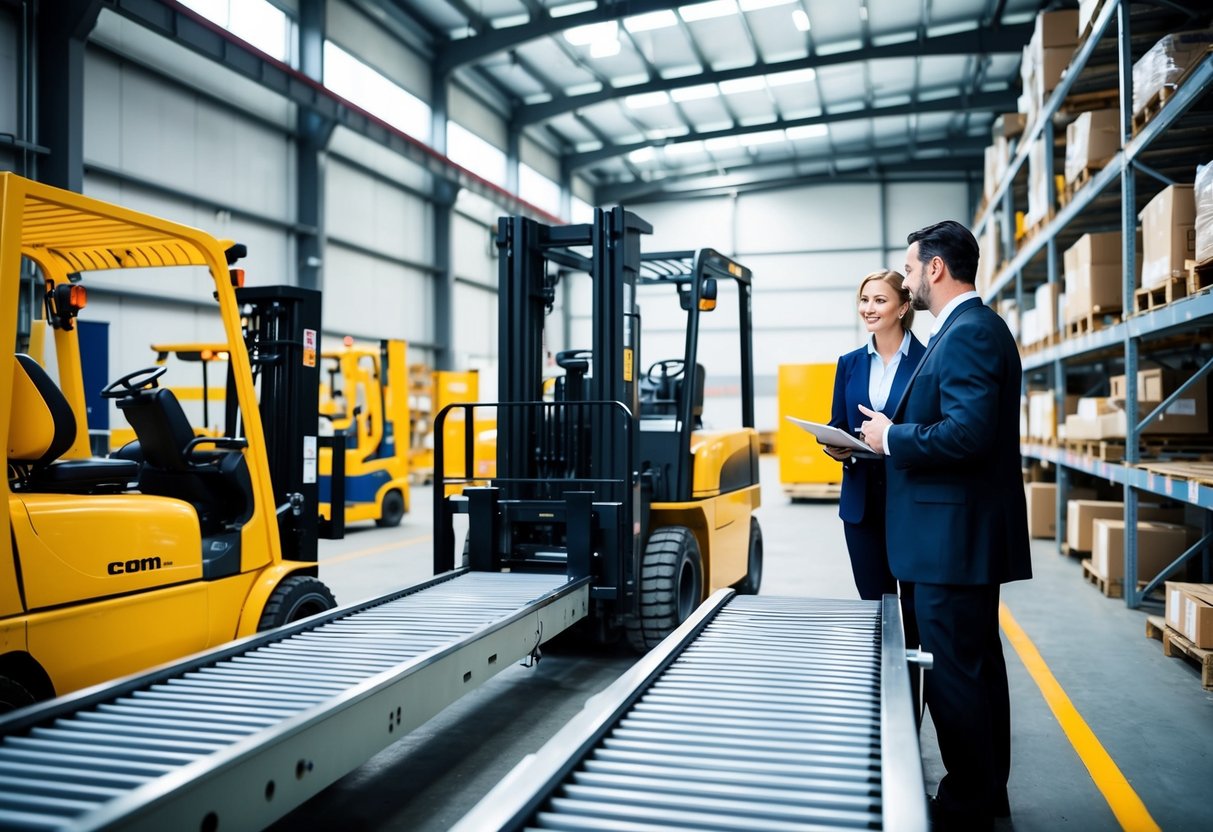
Secured business loans for equipment financing are loans where the equipment itself or other assets are offered as security. Lenders can recover value from collateral if repayments stop, and this means lenders are often able to lend more or offer lower pricing than with unsecured credit. For example, a lender may approve a £50,000 facility against a construction machine valued at £60,000, meaning you will access the funds while the lender reduces its exposure.
You will find that secured loans can take the form of term loans where repayments follow an amortisation schedule over 24 to 84 months, and this helps businesses plan cash flow because monthly obligations are fixed. A concrete statistic to consider is that equipment finance typically covers assets with useful lives of between 24 and 84 months, meaning your repayment horizon often mirrors the equipment life and this helps you avoid paying for obsolete kit.
Key Benefits of Using Secured Loans
You will notice several advantages when you choose secured equipment lending. Lower interest pricing is common because collateral reduces lender risk, and this means your effective borrowing cost can be noticeably less than an unsecured overdraft. Lenders might offer Loan to Value ratios up to 100 percent for core assets, meaning you could finance the entire purchase price in some cases.
Secured loans also often come with longer terms than unsecured options, giving you smaller monthly payments, and this helps businesses budget. For instance, if you borrow £30,000 over 60 months at 6 percent your monthly payment will be about £580, meaning you can spread cost rather than using most of your working capital up front.
Types Of Collateral and Loan Structures
Using the equipment you buy as collateral is the most straightforward structure. Lenders will often register a security interest against the asset, meaning they have claim if you default, and this means approval can be quicker because the value is visible. An example would be a printer with a market value of £8,000 being used to secure a £6,000 loan, meaning the lender has a cushion.
Blanket Liens, Personal Guarantees, And Secondary Collateral
A blanket lien covers multiple assets across your business, meaning lenders can seize any listed asset to satisfy debt, and this helps them underwrite risk where a single asset does not cover exposure. Personal guarantees are common for small businesses where directors sign to accept personal liability, meaning your personal assets could be at risk. Secondary collateral might include property or receivables, and this means you can increase borrowing capacity by offering more than one source of cover. For example, adding receivables worth £20,000 could raise a lender offer by up to £15,000, meaning you will get better terms.
Loan Versus Lease Structures
A loan gives you ownership and you may claim capital allowances for tax, meaning you will benefit from depreciation rules. A lease keeps ownership with the lessor and may offer off balance sheet treatment for some accounting approaches, meaning you might preserve borrowing capacity. For small vans and machines you might compare a hire purchase where ownership transfers at the end against an operating lease where it does not, and this means the choice affects cash flow and tax positions. Statistically many SMEs choose lease like solutions for assets under £50,000 because monthly cost can be lower, meaning cash conservation is often the priority.
Eligibility Criteria and How To Qualify
Lenders will look at your credit score, business accounts, and trading history. You will find that a track record of 12 months of trading is often the minimum for many lenders, meaning startups may face stricter terms. A typical requirement might be a debt service coverage ratio of 1.25, meaning your profit must cover 125 percent of debt obligations. This helps lenders know you can meet repayments.
Equipment age and condition matter. Many lenders will limit the maximum age at the end of the loan to 10 years for heavy kit, meaning older machines will attract shorter terms or lower loan to values. An appraiser might value an asset at 60 percent of list price after five years, meaning you should expect depreciation to reduce borrowing capacity. You will find that bringing service records and photos can speed appraisal and increase approval odds.
How To Apply: Step-By-Step Process
Typical documents include business bank statements for the last 6 months, management accounts, asset invoices, and proof of ownership. Lenders will ask for identification and often for director guarantees, meaning you will need to prepare both business and personal paperwork. Common pitfalls are incomplete cash flow forecasts and unclear asset descriptions, meaning applications stall. For example, submitting 6 months of bank statements with unexplained drops in deposits can trigger extra questions and delay approval.
Next you should compare at least three lenders and ask for a fully broken down quote, meaning you will see interest rental, fees, and any end of term liabilities. Ask how the lender values equipment and whether they include maintenance clauses, meaning you can negotiate on margins and fees. A good tactic is to present 24 months of maintenance records for the asset, meaning you will lower perceived risk and might secure a lower rate.
Costs, Terms, and Risks to Consider
Interest rates vary by lender and risk profile. You might see rates from 4 percent to 12 percent for prime to higher risk borrowers, meaning the difference can be material over a multi year term. Fees commonly include arrangement fees of 1 to 3 percent of the facility, meaning a £50,000 loan could carry a £500 to £1,500 fee up front. Amortisation schedules determine monthly cost, meaning longer terms reduce monthly outlay but increase total interest paid.
Repossession Risk and Protective Clauses
Repossession is a real risk when equipment secures the loan, meaning you will want protective clauses such as cure periods and grace payments. Lenders will typically include default triggers in the agreement, meaning you must understand events of default and any right to remedy. For instance a 30 day cure period gives you time to resolve short term issues, meaning you will avoid sudden loss of critical equipment.
Alternatives To Secured Equipment Loans
Alternatives include leasing, invoice financing, business overdrafts, and vendor financing, meaning you can pick an option that fits cash flow and balance sheet preferences. If you need flexibility and the asset will be obsolete quickly you might lease instead, meaning you avoid ownership risk. Invoice finance can free up working capital quickly with facilities covering up to 90 percent of invoice value, meaning you might avoid long term commitments. Consider that 99.9 percent of UK businesses are SMEs, meaning the financing choices available will often be tailored to smaller operations and this helps you judge commonly available solutions.
In Parting
Secured loans for equipment financing let you match funding to the asset and this means you will often pay less than with unsecured options while keeping predictable repayments. You should weigh interest cost, repossession risk, and the accounting effects, meaning you will make a choice that supports growth. Ask targeted questions of lenders, prepare clear paperwork, and compare terms carefully, because doing so will often save you thousands over the life of the loan.